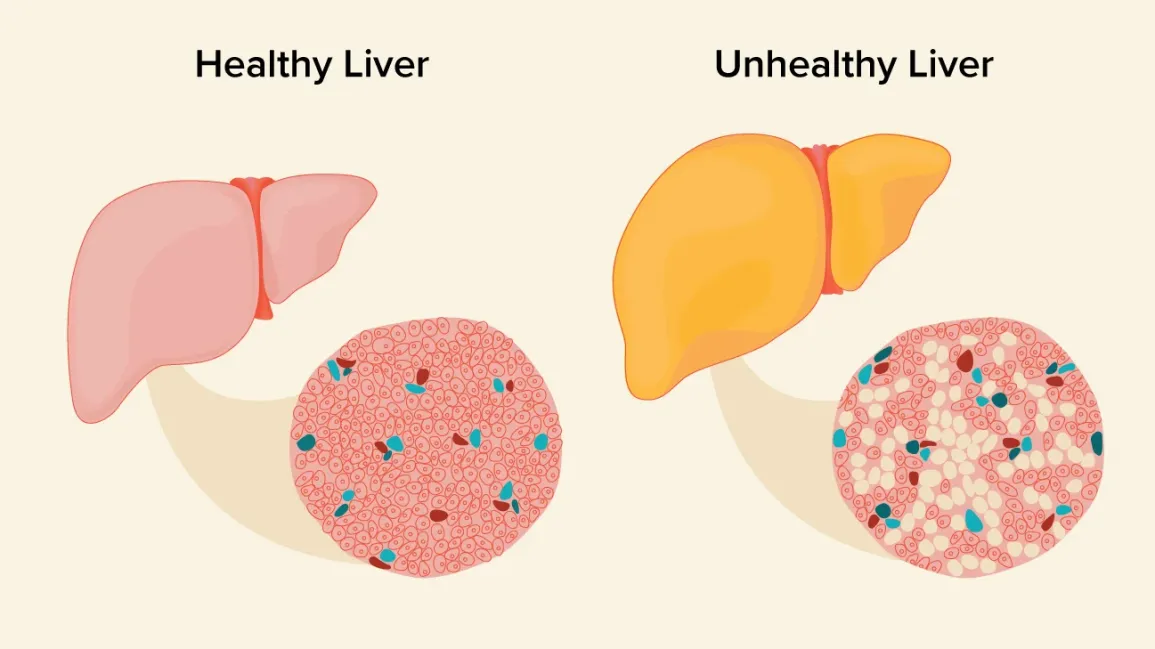
Doctors say you don’t need to drink alcohol to develop fatty liver. Learn why fatty liver disease is rising in India, its symptoms, risk factors, and lifestyle changes that may help protect your liver.
” You don’t need to drink alcohol to have a fatty liver.”
It sounds unbelievable but doctors say this is the harsh reality of an emerging silent epidemic sweeping India. A growing number of adults in their 20s, 30s and 40s are being diagnosed with metabolic dysfunction-associated steatotic liver disease (MASLD)—once known as non-alcoholic fatty liver disease or NAFLD. The condition is when too much fat accumulates in the liver of a person who consumes little or no alcohol.
Doctors say lifestyle changes, sedentary work, growing obesity and unhealthy diets are fuelling this silent epidemic.
Why Is Fatty Liver On The Rise?
One of the biggest culprits is modern lifestyles. Spending long hours seated at a desk, low levels of physical activity, consuming processed and fast foods, sugary beverages, drinks, lack of sleep can all lead to fat building up in the liver.
If a person has obesity, type 2 diabetes, high cholesterol, high blood pressure, or too much fat around the waist, they have a higher risk of developing fatty liver disease.
But doctors are also seeing fatty liver in people who are thin but metabolically unhealthy. Doctors have dubbed it “lean fatty liver disease” and it is a major health risk.
The Symptoms Are Easy To Overlook
Fatty liver is also known as a “silent disease” because many people don’t experience any symptoms in the early stages.
If a person has symptoms, they may include:
- Feeling constantly tired
- Feeling a dull ache or heaviness in the upper right side of the belly
- Feeling unexplained weakness
- Failing to lose weight despite a low-calorie diet
- Unexplained abnormalities in liver tests during a routine health check-up
The symptoms are not specific and as a result, a large number of people remain undiagnosed until an ultrasound or blood test points to fatty liver.
Can Fatty Liver Be Reversed?
The good news is that fatty liver disease in the early stages can be improved with lifestyle changes.
Doctors usually suggest:
- If overweight, to lose any excess body weight but at a steady pace rather than crash dieting or rapid weight loss which can harm the liver.
- To get regular exercise, at least 150 minutes per week.
- Cutting down on sugary drinks, refined carbohydrates and ultra-processed foods
- Eating more fruits, vegetables, whole grains, legumes and lean protein
- Managing diabetes, cholesterol and blood pressure if present
- Getting enough sleep and managing stress
The disease can be difficult to reverse if a person is severely obese or has a significant metabolic disorder.
Who Should Get Checked?
Doctors say people should ask their healthcare professional about screening if they:
- Have type 2 diabetes
- Are overweight or have excess belly fat
- Have high cholesterol or high triglycerides (blood fats)
- Have high blood pressure
- Have a family history of liver disease
- Have persistent abnormal liver enzyme results during routine check-ups.
The earlier the disease is detected, the sooner treatment can start before serious liver damage can occur.
A Lifestyle Disease That Needs Attention
Fatty liver is no longer a condition that only affects people who drink large amounts of alcohol. It is now one of the most common liver disorders among working professionals and middle-aged adults in India and this is closely linked to modern lifestyles and metabolic health.
The good news is the liver is a remarkable organ which can heal itself if the underlying issues are corrected. Regular exercise, a balanced diet, maintaining a healthy weight and routine health check-ups remain the best ways to keep it in tip-top condition.