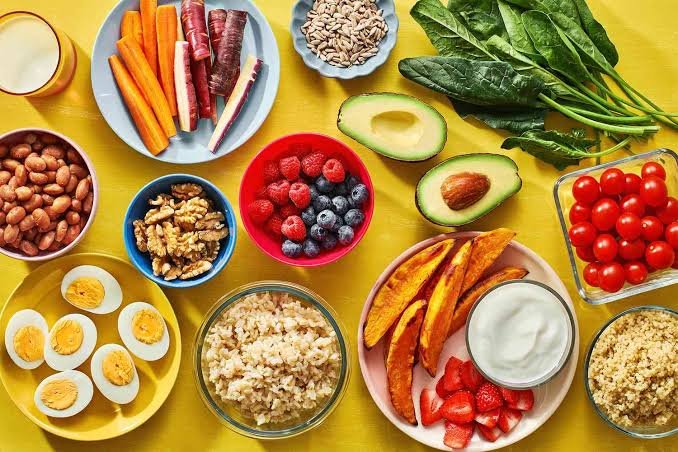
Your 40s are a great time to start paying a little extra attention to what lands on your plate. Blood pressure, cholesterol and blood sugar levels can change as you age. Sometimes there are no clear warning signs. The good news? You don’t need a fancy diet or pricey so-called superfoods to support your heart health.
Whole, plant-based foods can help make everyday meals heart healthier.
Here are 10 foods to keep on your radar and include in your regular meal rotation.
| Food | Why it helps | Easy Indian option |
| Oats | Soluble fibre can help maintain healthy LDL cholesterol | Oats porridge or overnight oats |
| Leafy greens | Provide fibre, potassium and antioxidants | Palak, methi or other seasonal greens |
| Dal & beans | Fibre and plant protein support heart and metabolic health | Dal, rajma, chana or sprouts |
| Fatty fish | Provides omega-3 fats linked with cardiovascular health | Grilled sardines, salmon or other oily fish |
| Nuts | Almonds and walnuts provide healthy unsaturated fats | A small handful of unsalted nuts |
| Fruits | Fibre and naturally occurring antioxidants | Guava, apple, orange, papaya or berries |
| Seeds | Flax, chia and pumpkin seeds provide fibre and healthy fats | Add to curd, salads or breakfast |
| Plain curd | Provides protein and calcium without the added sugar of many flavoured yoghurts | Have with lunch or fruit |
| Mustard or olive oil | Unsaturated fats can be preferable to saturated fats | Use moderate amounts while cooking |
| Whole grains | More fibre than refined grains | Whole-wheat roti, brown rice or millets |
Make Every Meal Heart Happier
Cutting out unhealthy foods is good, but you don’t need to give up the meals you grew up with entirely. In fact, many traditional meals can be great for your heart. A typical Indian lunch, for example, is already packed with nutrients from a variety of foods. Just make sure your plate includes dal + sabzi + whole-wheat roti or brown rice + plain curd. Add some salad on the side and top off the meal with fruit instead of packaged sweets or biscuits.
The real change usually comes from cutting back. Limit how often you eat deep fried foods, processed meats, sugary drinks, bakery products and packaged snacks high in salt. This can help reduce the amount of unhealthy fat, sugar and sodium in your diet.
Mind Your Portions
Just because something is nutritious doesn’t mean you can eat unlimited quantities. nuts, seeds and cooking oils have heart-healthy fats but they’re also high in calories. Dark chocolate is delicious, but should be treated as a treat, not an everyday item (the darker the chocolate, the better).
Heart health isn’t about one food magically fixing everything. Everyone is different, which is why your lifestyle habits matter after 40 (and every other age).
In addition to eating well, staying active, prioritising good sleep, maintaining a healthy weight, not smoking and monitoring your blood pressure, cholesterol and blood sugar will help you stay on track.
If you have diabetes, high blood pressure or cholesterol, overweight or obese and/or a family history of heart disease at a young age, diet is just one piece of the puzzle. Talk to your doctor to see what screenings and check-ups you should have.