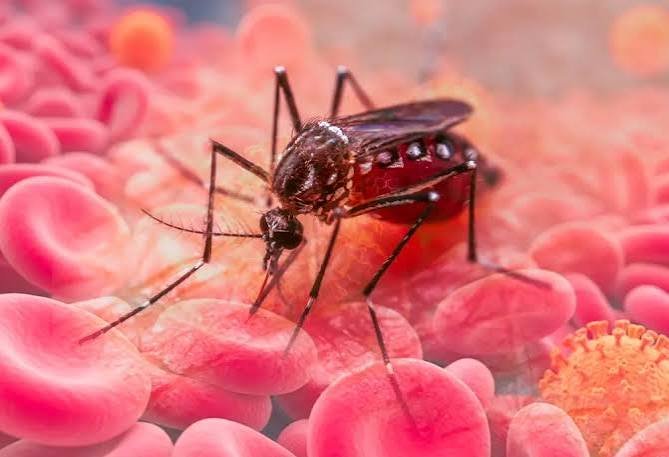
A fever in India during monsoon is easy to write off. It might just be a viral fever, or flu or tiredness. But August is also the time when you should keep dengue on your radar, especially if you live in cities like Delhi, Kolkata, Mumbai, Bengaluru and Chennai, where mosquitoes find a lot of breeding sites after the rains.
Here’s the catch: Dengue fever can start like any other viral fever. Recognising warning signs early can help you know when to seek doctor’s advice.
Lookout for These Early Dengue Symptoms
Sudden high fever is the most common presenting symptom of dengue. Severe headache, pain behind the eyes, muscle and joint pain, nausea, and general feeling of being unwell often accompany it.
Some patients notice a rash developing a few days after the fever begins.
Remember that not everyone will experience all of these symptoms. That’s why trying to self-diagnose based on symptoms alone is a bad idea. If you develop a high fever during monsoon and particularly if you live in or have recently visited an area where dengue is known to be spreading, talk to a doctor. Dengue may be the cause.
Confused Between Dengue and Viral Fever?
You may not be able to tell them apart based on symptoms alone.
Dengue shares its early symptoms with other viral illnesses. Body ache, fever, fatigue, headache may occur with many different conditions.
Testing may be needed to confirm dengue. Dengue can be diagnosed using different blood tests. The right test may depend on how many days you’ve had symptoms, which is why your doctor may suggest tests based on the timeline of your illness.
If your fever isn’t resolving after a few days, please don’t self-medicate with antibiotics. Dengue is caused by a virus, and antibiotics won’t help.
When To See a Doctor About Fever
Don’t wait a few days if you develop a sudden high fever along with symptoms that could be Dengue. Call your doctor and check whether getting tested for Dengue is necessary.
The need for and type of testing depend on when the fever began, symptoms, local transmission of Dengue and other individual factors. Antibody tests may not be useful early on, so a doctor may recommend NS1 antigen or molecular tests if you’re in the early phase of your illness. These tests are then repeated later if needed.
Keep in mind that sometimes multiple tests may be needed to arrive at a definitive conclusion. This is especially true if tests are performed early on during your illness.
Things To Watch For After the Fever Breaks
It can get serious after the fever subsides. And this brings us to another important point.
If you do have dengue, day 3-7 when your fever breaks can be a dangerous time. Warning signs tend to show around this time. Get immediate medical care if you experience severe abdominal pain, vomiting, nose or gum bleed, vomiting blood, passing black stools, extreme weakness, restlessness, difficulty breathing, or unusual sleepiness.
Dengue is not over just because your fever goes down.
Know Why Monsoon Matters in India
Mosquitoes that carry dengue love stagnant water mixed with warm temperatures. In cities like Delhi, Kolkata, Mumbai, Bengaluru and Chennai, you’ll find numerous containers, rooftops, plant trays, construction sites and open spaces that can collect water after the rain.
Take preventive measures like emptying containers that hold water, covering water storage containers, using mosquito screens/repellents and wearing clothes that cover skin as much as possible.
The Bottom Line.
Monsoon fevers don’t always mean dengue. But they also don’t always mean “just viral”, either. Get in touch with a doctor if you develop sudden, high-grade fever with severe body ache, headache, rash, or unusual weakness during dengue season.