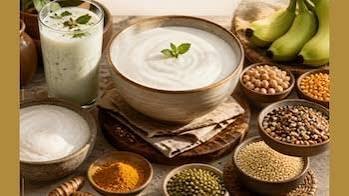
Gut health has gone from wellness subculture buzzword to national conversation in India. Social media, doctors, nutritionists and food brands are all talking about probiotics, prebiotics, fibre and fermented foods. However, many Indian homes have not needed to “discover” these; they have been an inherent part of regular cooking all along.
Why is gut health a trend now?
A healthy gut microbiome is a complex ecosystem of bacteria, fungi and other microbes in our digestive tract that play a role in digestion, immunity, mood regulation and even skin health. Stressful modern lifestyles, high-sugar diets, overuse of antibiotics and low fibre intake can unbalance the microbiome, causing bloating, irregular digestion, fatigue and other problems.
In 2026, more and more Indians are making the connection between gut health and overall physical and mental wellbeing rather than just digestion. This renewed interest is bringing traditional foods under the spotlight again.
Indian fermented foods are your daily dose of probiotics
India has a long tradition of fermented foods which can serve as natural sources of probiotics:
- Curd (Dahi): The most common and accessible probiotic food in the Indian kitchen. Fresh, home-set curd contains live Lactobacillus cultures that aid in digestion, lactose intolerance and immunity.
- Buttermilk (Chaas/Lassi): Diluted curd with spices like jeera, hing and mint for flavour. Some find it easier to digest than curd, and it is great after spicy or oily meals.
- Idli and Dosa: Spongy steamed cakes made of fermented rice and urad dal batter. The overnight fermentation process creates lactic acid bacteria that help nutrient absorption and make batter easier to digest.
- Kanji: A fermented drink in North India, made of black carrots or beetroot, water and mustard seeds. Traditionally had in the winter, it is rich in probiotics and antioxidants.
- Traditional Pickles (Achaar): Fermented in brine or mustard oil for days or weeks, rather than the bottled versions made with vinegar and preservatives. Some pickle varieties may have live cultures.
- Fermented Rice (Panta Bhat): Soaked rice left to ferment slightly, a staple in East India in summers.
Fibre-Rich Indian Foods to Keep Your Gut Happy
Live cultures from probiotics also need fuel in the form of prebiotic fibre. Indian food is rich in natural fibre sources:
- Whole grains: Oats, ragi, jowar, bajra, brown rice, atta (whole wheat).
- Legumes: Chana, moong, rajma, masoor and other dals.
- Vegetables: Leafy greens, okra, carrots, gourds and seasonal sabzi.
- Fruits: Bananas, papaya, guava, apples and citrus fruits.
- Nuts and seeds: Flaxseeds, sesame, almonds, walnuts.
Fibre-rich foods add bulk to stool, feed beneficial bacteria and help in regular bowel movements. However, most Indian adults still do not meet the daily target of 25–35 grams of fibre.
Tips for Supporting Gut Health with Indian Food
- Eat at least one serving of fermented food daily, such as curd, chaas, idli, dosa or kanji.
- Opt for fresh, homemade or less processed versions rather than store-bought, heavily preserved foods.
- Gradually increase your intake of fibre through dals, vegetables, whole grains and fruits.
- Drink plenty of water and avoid overconsumption of sugar, maida and ultra-processed snacks.
- Use spices and herbs that are friendly for the gut such as hing, jeera, ajwain, turmeric and ginger.
A cautionary note
Indian traditional foods are generally safe for most people. However, those with conditions such as severe IBS, IBD, histamine intolerance or immune system disorders should talk to a doctor or dietitian before making drastic changes to their diet. Persistent digestive symptoms, unexplained weight loss or chronic fatigue also need medical evaluation.
No need for expensive supplements or imported “superfoods”. For many Indians, the solution to gut health problems has been in their own kitchens all along.