Picture a patient in Mumbai. A specialist consultation may mean a short cab ride and an appointment slot confirmed online. Now imagine a patient in a remote village. The same consultation could involve hours of travel, lost work and considerable expense.
Technology is starting to offer new solutions. Telemedicine, digital medical records, AI-assisted diagnostics and connected healthcare devices are opening new channels for doctors to reach patients who may otherwise struggle to access specialist care.
Bringing the doctor closer
Telemedicine has become one of the most visible areas where technology can make healthcare more accessible.
A patient can speak to a doctor over the phone or during a video consultation without needing to travel to a major city. This can be especially valuable in rural and remote parts of India, where a specialist may not be physically located nearby.
Platforms like the government’s eSanjeevani have also shown how digital consultations can enable patients to reach out to doctors remotely. The service has been widely used for both general and specialist consultations.
But technology is not replacing doctors. It is helping to extend their reach.
Early detection
Artificial intelligence is also starting to make its way into the Indian healthcare system, especially in areas like medical imaging and screening.
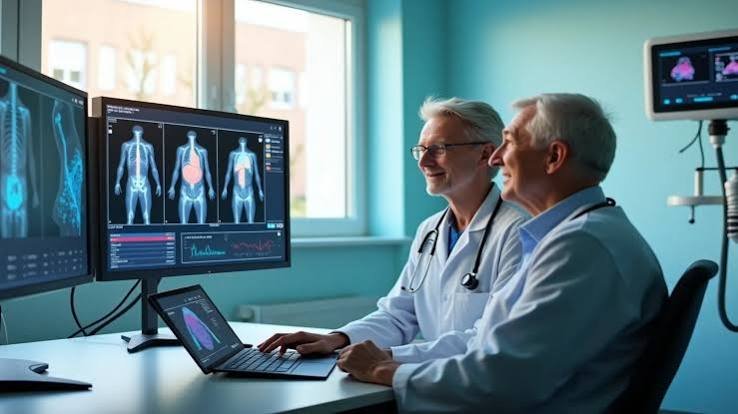
AI systems can be used to analyse certain scans, images and medical data and then identify patterns that require closer human attention. This could potentially help healthcare professionals to identify abnormalities more quickly and efficiently, especially in areas where specialist expertise is in short supply.
But AI is not a replacement for a qualified doctor. Medical decisions still require a nuanced combination of clinical judgement, patient history and professional oversight.
Recording health stories
Imagine walking into a new doctor’s office and being able to securely access your previous prescriptions, reports and medical history, rather than having to carry a folder full of paper documents.
India is gradually moving towards digital health records and the Ayushman Bharat Digital Mission (ABDM) aims to make health information more connected and portable, subject to appropriate consent and privacy safeguards.
For patients who may move between cities and healthcare providers, having a record they can access can help make consultations more informed and reduce unnecessary repetition of tests.
Improving healthcare access in rural India
This is perhaps where the potential is greatest.
Technology can help connect rural health centres with specialists based in larger cities, empower frontline healthcare workers and help patients to access information and consultations without always having to travel long distances.
But there is an important reality that must not be lost. Digital healthcare only works when people can access the digital infrastructure behind it.
Reliable internet, electricity, smartphones, digital literacy and affordable connectivity are all important challenges that still need to be addressed in parts of India.
The human side
The future of healthcare technology in India should keep the human being at the centre.
A video consultation can save a patient a long journey. A digital record can help a doctor piece together a medical history. An AI tool can draw attention to something that needs examining.
None of this technology can replace the trust between a patient and a doctor.
The promise of healthcare technology is not to make medicine less human. It is to help good healthcare travel further—to places where distance, time and limited resources once stood in the way.