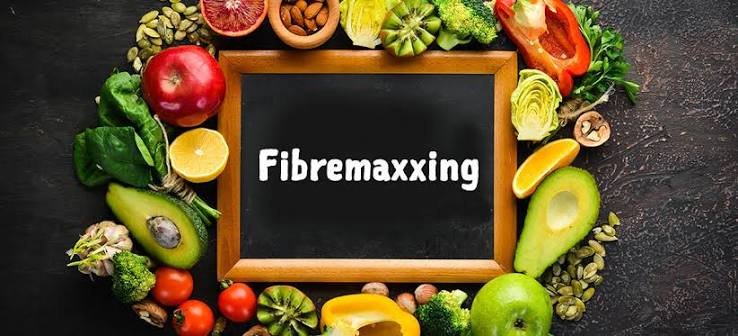
Fibremaxxing may have slipped through the wellness-speak cracks over the last few years. If you’ve found yourself scrolling through social media in 2026, chances are you may have heard the word. Fibremaxxing is gaining more popularity amongst wellness seekers, with many social media accounts dedicating their pages to different recipes, along with their accompanying Instagram-worthy visuals.
And although it does sound like a hyped-up hashtag, fibremaxxing is actually simple in its definition. Fibremaxxing is just eating more fibre every day to help your digestion, gut health, and overall health and wellness.
What Is Fibremaxxing?
Essentially, it means to eat enough fibre every day. The average daily fibre intake recommendations are around 25 to 38 grams per day, depending on your age, sex, and individual needs. Fibremaxxing goes a step further by encouraging you to eat more fibre foods such as fruits, vegetables, legumes, whole grains, nuts, and seeds.
Its popularity can be attributed to the increased focus on gut health, as more people are learning about the gut–brain axis and the bidirectional communication pathways between the gastrointestinal system and the central nervous system.
Research has found that fibres can have an impact on the microbiota in the digestive tract that play a major role in maintaining this gut–brain axis, and it can also produce compounds such as short-chain fatty acids that may have anti-inflammatory effects and impact the immune system.
Why Does Fibre Matter for Your Gut?
Fibre is a type of carbohydrate that cannot be completely broken down and digested by the body. Instead, it moves through the digestive system, which has a number of beneficial effects on the gut.
Not only does it help to add bulk to your stool and support regularity, but fibre is also fermented by the good bacteria in your digestive tract and helps to support a diverse microbiome.
Soluble fibre can be dissolved in water and form a gel-like substance, while insoluble fibre cannot be dissolved and, instead, helps add bulk to stool and food move through the digestive tract. Both types are important and you need to make sure you are including both in your diet.
Can Eating Too Much Fibre Make You Sick?
Although it’s important to consume enough fibre every day, it’s important to note that “maxing” out on fibre can be a bit of an overkill. Fibre is a type of carbohydrate that feeds the good bacteria in the gut.
The healthy bacteria break it down and use it to power the trillions of microorganisms that live in your body. Although fibre is essential for your gut bacteria, too much fibre can cause issues in your digestive system if your body isn’t used to it. Consuming a high-fibre diet on an empty stomach can also cause abdominal discomfort.
If you’re not used to eating high-fibre foods, consuming a lot of it at once can cause gas, bloating, cramping, or changes in bowel movements. Fibre-rich foods can also lead to excess bowel movements, including diarrhea, if you’re not careful.
How to Practice Fibremaxxing
- Eat at least three servings of fibre-rich foods per day (or as close to the recommended daily intake as possible)
- Eat a variety of fibre sources to ensure you’re getting both soluble and insoluble fibre, as well as other important nutrients.
- Gradually increase your fibre intake over a few weeks to allow your body to adjust.
- Drink plenty of water to help fibre do its job.
- Try adding one fibre-rich food to each meal, such as oats, lentils, vegetables, or fruit.
- Prioritize whole foods over fibre supplements whenever possible.
- Increase your intake slowly and be mindful of your digestion.
- Stay hydrated as water helps fibre work best.
Fibremaxxing is not so much a radical wellness lifestyle as it is a helpful reminder to take fibre seriously. However, rather than going to extremes with your fibre intake, it’s much more beneficial to make sure that you’re consistently getting enough fibre every day to support your body.