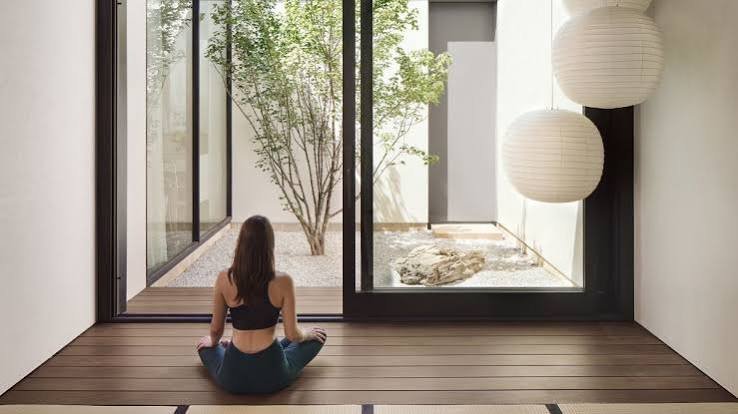
For decades, wellness meant a massage or a gym membership. In 2026, more and more it means the living room wellness nook, the closet-turned-massage room, or the master bathroom remodeled for restoration instead of efficiency. Wellness rooms have become both a reflection and an driver of larger shifts in how people view health, how they spend their time — and how they handle stress. Your Nervous System Is Your New Fitness Watch Gone are the days when wellness simply meant calories in vs calories out, or even hours vs minutes at the gym. Now, fueled by wearable technology that’s made sleep scores and daily stress levels highly visible — and deeply anxiety-inducing — wellness comes from downshifting your nervous system with vagus nerve stimulation, circadian lighting, and dedicated “low stimulation” rooms and spaces. lowstimliving.com Wellness But Without The Waiting Room One big theme behind the wellness room boom is asynchronous wellness: spaces and activities you can engage with whenever you need instead of making appointments. On commercial properties, that looks like recovery lounges, terraces for movement classes, and under-grade thermal baths that don’t require reservations. atwellnessreader.com At home, it means exactly the same thing: dedicating space to your wellness routine minus the commute, the fees, and the dependence on someone else’s schedule. Building Homes As Centers for Recovery Calendars full ofезз тренажёры back-to-back workouts, skiing weekends, and “find yourself” yoga retreats used to be the gold standard of healthy living. But as longevity medicine and prevention-focused healthcare creep out of “biohacking” and into mainstream wellness discussions, many people are turning their residences into personalized recovery centers. Meditation nooks, red light therapy panels, smart bulbs with circadian settings, and “earned rituals” like magnesium baths and herbal drinking rituals are some of the wellness-centered upgrades being made to turn everyday spaces into holistic recovery settings. doctoraxe.com Look to Nature — Indoors Design elements are getting wilder, too. Nature-mimicking materials and “grounding” furniture are showing up inside to help regulate cortisol levels and support healthy circadian cycles. doctor axe.com In the bathroom, that might look like forestry-inspired wall panels and slates. Fragrance is being treated like another pillar of functionality, with whole-home scent ecosystems and scenting “layers” changing your mood from morning to night. wellnesshotelinsider.com Real Homes, Real Examples These aren’t concepts or mock-ups. They’re actual listings where people have turned their bathrooms into spa-ready retreats with Calacatta marble and mood lighting, converted primary suites into suite spas with private outdoor decks and deep soaking tubs, and prioritized garden-facing bedrooms for nothing but… sitting still. opulencehotelbrands.com The Bigger Shift- Wellness ≠ ‘Optimization’ Whether at home or on the road, it all ties back to one big cultural shift: Wellness in 2026 isn’t about doing more, it’s about protecting your sense of safety and connectedness to the world. “We’re moving past hard optimization,” one summary of the trends put it. “Wellness will be less about optimizing harder — and more about feeling safer, more connected and more alive.” wellnesshotelinsider.com The guest bedroom, that unused closet, and even the master bathroom are suddenly more than an area of your house. They’re an opportunity to invest in total wellness.